
 EN
EN
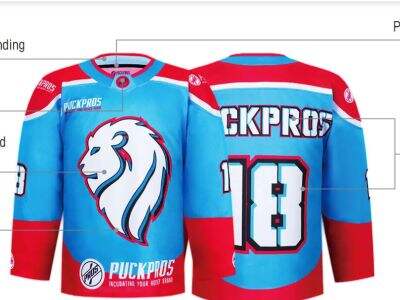
Hockey jerseys is pretty popular, specially for teams and fans. When business want to buy hockey jerseys, they should think about the material. The material of a jersey can change how it look and feel. At Puckpros, we know that picking the right material is important for B2B buyers. Understanding different material options can help business make better choices for their teams or customers.
What Every B2B Buyer Needs to Know?
When buying hockey jerseys, material is one of the main things to consider. There are many types of materials available, and each one have its own advantages. Some materials are lighter and cooler, which is great for players who moves a lot. Others might be thicker and warmer, perfect for cold games. For example, polyster is a popular choice because it dries quick and is very tough. This mean it can last long even with lots of washing. On the other hand, cotton is soft and comfortable but can hold moisture, making it less good for intense play. A blend of both cotton and polyster can be a good option because it mix comfort with toughness. Also, think about the material's weight. Lightweight jerseys can be great for fast games, while heavier ones offer more warmth. Think what your team needs. Will they play outside in cold weather or inside in a warm rink? The right material can make big difference. Plus, the style matter too! Some materials can have cool designs and colors that catch fans eyes. Quality should not be forgot; higher-quality materials look better and last longer.
A Comprehensive Guide
Picking material for hockey jerseys is more than just choosing a color. It is about finding what work best for your needs. First, look at the function of the jersey. If it's for a competitive team, think about moisture-wicking materials. These help keep players dry by pulling sweat away from skin. This help them stay comfortable and perform better. Second, consider the feel of the material. You want something that feels good against the skin. Jerseys that scratch or irritate can distract a lot during game. Third, think how easy it is to clean the jersey. Some materials stain easy, while others handle tough cleaning. Toughness is also important. If the jerseys are for kids or recreational players, they may need to stand up to rough play and frequent washing. Lastly, don’t forget about the price. Materials can vary a lot in cost. Sometimes, spending a bit more on better material can save money later because the jersey will last longer. At Puckpros, we can help you find the right material for your jersey hockey custom, making sure your team looks great while feeling comfortable. Whether you need jerseys for school team, corporate event, or fan merchandise, we have options that fit your needs.
When it comes to hockey jerseys, choosing the right material is very important
At Puckpros, we know that different materials can make big difference in how the jersey feels, looks, and lasts. Right now, some of the most popular materials for wholesale hockey jerseys are polyster and mesh. Polyster is a strong and lightweight stuff. It helps keep players cool while they play. Mesh is another great choice because it have tiny holes that allow air flow through, making it cooler to wear. Many teams are choosing materials that wick away moisture. This mean they pull sweat away from the body, keeping players dry and comfortable during the game. Another trend is using eco-friendly materials. These are made from recycled plastics or organic cotton, which is better for environment. Buyers at Puckpros can find wide range of material options to fit any team’s needs. Whether you want high-tech material for competitive play or something basic for practice, we have something for everyone. It’s important to think about how the material will look too. Bright colors and bold designs can make a jersey stand out on the ice. At Puckpros, we can help you choose the best material that not only feels good but also looks great for your team.
Finding the right source for tough and lightweight hockey jersey maker materials is key for B2B buyers. At Puckpros, we pride ourselves on offering high-quality stuff that will last. One of the best ways to find good material is to work with trusted suppliers. You want suppliers who have good reputation and been in business for a while. They should provide samples so you can feel the material before big order. When looking for material, pay attention to the weight. Lightweight materials are great for fast movements on ice, but they need to be strong too. A good way to check toughness is to look for materials that are tear-resistent. That mean they won’t rip easy, even during tough games. Also, consider the feel of the material. It should be soft against skin, so players are comfortable while wearing it. Another tip is to ask about bulk buying options. Buying materials in larger amounts can save money, which is always plus for teams budgeting carefully. At Puckpros, we can help you navigate these choices and ensure you get the right material at best price.
The choice of material can greatly affect the pricing and quality of hockey jerseys
At Puckpros, we understand that different materials come at different costs. For instance, high-tech materials that wick away sweat and provide breathability might be more expensive than basic ones. However, choosing higher-quality material can actually save money in long run. Jerseys made from good materials last longer, which means teams won’t have to replace them as often. This can help reduce costs over time. If a team go with cheaper material, they might save money upfront, but they could spend more later when they need new jerseys because old ones wore out quick. Buyers should also think how the material choice affects the overall look of the ice hockey jersey design. A well-made jersey with high-quality material can make team look more professional, which can be important for sponsorships or competitions. At Puckpros, we provide guidance on how to balance cost and quality. Our goal is to ensure that teams get best value for their money while not sacrificing on quality. In the end, it’s all about finding the right material that meets your team's needs, budget, and style.